

Why Advanced Monitoring Systems Are Essential for Building Safety Today | royaldomino99, king1881 slot
Published: 2026-06-25 01:56:43 Views: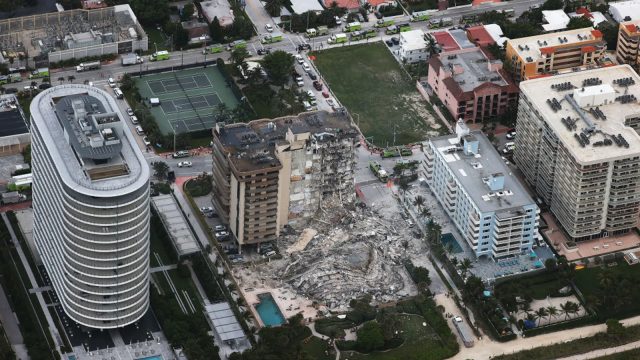
As we mark the five-year anniversary of the tragic Surfside collapse, the discussion surrounding aging building safety has gained renewed urgency. The catastrophic event not only claimed lives but also exposed critical flaws in conventional safety practices. Increasingly, building safety specialists advocate for the implementation of advanced structural monitoring systems to safeguard our aging infrastructure.
The Limitations of Traditional Inspection Methods
While periodic inspections have long been the standard approach for assessing building integrity, they often fall short in addressing the complexities of aging structures. Inspections that occur every few years can miss subtle but significant changes that indicate potential failure.
Inadequacy of Visual Inspections
- Visual inspections may overlook hidden issues such as internal corrosion or structural fatigue.
- Time constraints during inspections can prevent thorough evaluations.
- Conditions such as weather can affect the inspector's ability to assess structural components effectively.
The Need for Continuous Monitoring
Continuous monitoring systems provide real-time data on a building's structural health, offering an innovative solution to these challenges. By utilizing advanced sensors and analytics, these systems track parameters such as vibrations, displacement, and strain. This data allows for proactive maintenance and timely interventions before minor issues escalate into major safety hazards.
Benefits of Structural Monitoring Systems
Implementing advanced structural monitoring systems can significantly enhance building safety. Here are a few key benefits:
- Proactive Maintenance: Continuous monitoring enables early detection of potential problems, facilitating timely repairs.
- Data-Driven Decisions: Real-time data allows building managers to make informed decisions regarding maintenance and upgrades.
- Increased Safety: By identifying issues before they lead to catastrophic failures, monitoring systems can save lives and reduce liability risks.
- Cost Efficiency: Early detection of problems can lead to substantial savings by preventing costly repairs and downtime.
Advancing Technology in Building Safety
As technology evolves, so do the methods we use to ensure our buildings' safety. Structural monitoring systems are at the forefront of this evolution, integrating cutting-edge technologies such as IoT (Internet of Things), AI (Artificial Intelligence), and big data analytics.
IoT and Smart Building Solutions
The integration of IoT devices allows for seamless communication between sensors and building management systems. This connectivity enables real-time monitoring of structural health indicators, thus fostering proactive management of building safety.
AI and Predictive Analytics
AI can analyze historical data to predict potential failure points, allowing for preventive measures to be taken before problems arise. Predictive analytics, combined with continuous monitoring, can revolutionize how we approach building maintenance.
Importance of Regulation and Compliance
As the industry shifts towards these advanced technologies, regulatory frameworks must adapt accordingly. Governments and building authorities should prioritize the incorporation of structural monitoring into safety regulations. This shift would not only improve building safety but also ensure higher compliance standards across the board.
Ensuring Compliance with Innovative Technologies
Incorporating structural monitoring into compliance requirements can streamline inspections and reduce the burden on building owners. By utilizing these technologies, the compliance process can transition from reactive to proactive, ultimately enhancing safety across the board.
Conclusion: A Call to Action
The Surfside tragedy serves as a stark reminder of the implications of neglecting aging infrastructure. As the demand for safe living and working environments increases, so does the necessity for innovative safety solutions. Advanced structural monitoring systems are not just optional upgrades; they are essential for safeguarding our buildings and the people who inhabit them.
By embracing these technologies, we can ensure that our infrastructure remains safe, resilient, and capable of withstanding the tests of time. It's time for building owners and policymakers to take decisive action to adopt modern monitoring systems for lasting safety and peace of mind.
Previous:Elevate Your Brand's AI Search
Previous:Elevate Your Brand's AI Search