

Venezuela Faces Tremors: The Impact of Recent Earthquakes on Communities | gates of olympus gratis, slot ewallet, raja555
Published: 2026-06-25 11:57:18 Views: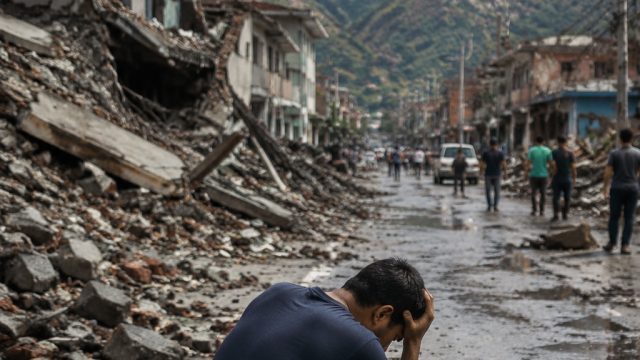
In a rapidly evolving situation, Venezuela has been rocked by strong earthquakes that have devastated parts of the country, particularly near its capital, Caracas. These seismic events mark a significant occurrence in the region, raising alarm not only for the immediate impact but also for the ongoing recovery efforts that are crucial for affected communities.
Understanding the Recent Earthquakes
Reports indicate that two major earthquakes struck northern Venezuela, measuring 7.5 on the Richter scale, making them the most powerful tremors to hit the region in over a century. The intensity of these earthquakes has raised concerns regarding structural integrity in urban areas, especially with many buildings collapsing and significant damage reported across the capital.
What Caused the Earthquakes?
The geological factors contributing to these earthquakes are complex, with Venezuela sitting on the boundary of tectonic plates which makes it susceptible to seismic activity. Experts suggest that increased seismic monitoring and preparedness could be essential in mitigating future risks.
Immediate Responses and Rescue Operations
Following the earthquakes, rescue operations were promptly initiated. Local authorities, along with national agencies, are collaborating to search for survivors amidst the rubble. Unfortunately, the situation has been dire, with high casualties expected as rescue teams navigate through collapsed structures to reach trapped individuals.
Community Resilience and Support
- Local organizations are mobilizing to provide immediate assistance to those affected, offering shelter, food, and medical aid.
- Volunteers from neighboring areas are joining forces to help in rescue operations and community support efforts.
- Digital platforms are being utilized to coordinate efforts and share information on the ongoing situation.
The resilience of the Venezuelan people is on display as they come together to support each other during this crisis. This unyielding spirit is essential as recovery efforts are expected to take considerable time and resources.
Economic Implications of the Earthquakes
The economic ramifications of these earthquakes are likely to be profound. Venezuela, already facing severe economic challenges, may experience further strain as businesses assess damage and begin to recover. Key sectors, including tourism and local markets, might see significant disruption.
Long-term Recovery Strategies
Long-term recovery will demand a collaborative approach involving government support, international aid, and community engagement. Here are some strategies that could aid in recovery:
- Establishing robust disaster response plans that incorporate community feedback.
- Investing in infrastructure resilience to withstand future seismic events.
- Providing psychological support for those affected to help them cope with trauma.
Such measures can help rebuild not just the physical structures but also the social fabric of the affected communities.
Staying Informed and Engaged
As the situation unfolds, it is crucial for individuals both locally and globally to stay informed. News outlets are providing ongoing coverage, and various organizations are working tirelessly to ensure aid reaches those in need. Engaging with reputable sources and supporting humanitarian efforts can make a significant difference during such crises.
The Role of Technology in Disaster Response
In this digital age, technology plays a pivotal role in disaster response. Social media platforms and mobile applications are being used to disseminate crucial information quickly, allowing for a more coordinated response. Additionally, real-time data can offer insights into the aftermath and support recovery planning.
Conclusion: The Path Ahead for Venezuela
The recent earthquakes in Venezuela serve as a stark reminder of the vulnerabilities faced by communities in seismically active regions. As recovery efforts are mobilized, the focus must remain on building resilient communities that can endure and thrive despite challenges. The current crisis also emphasizes the importance of preparedness for future seismic activities. Keeping the dialogue open about disaster readiness and community support will be essential for moving forward.
Industry Partner Network
Previous:Netflix Unveils New Anime 'Foo
Previous:Netflix Unveils New Anime 'Foo