

Emerging Fractures in GOP Unity Ahead of Midterms: A Critical Overview | judi gaple online uang asli, fifa2014
Published: 2026-06-25 02:06:54 Views: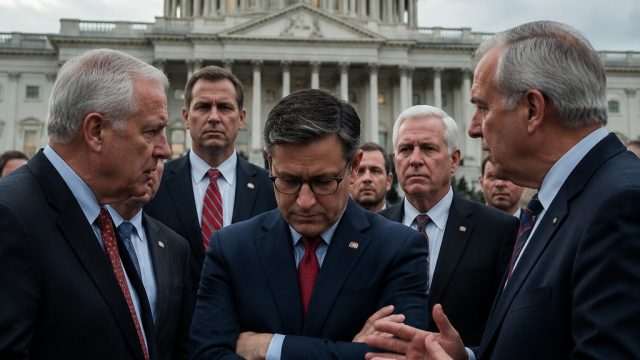
As the political landscape in the United States gears up for the upcoming midterm elections, the Republican Party finds itself at a crossroads. Increasing tensions between key party leaders, notably former President Donald Trump and Senate Majority Leader John Thune, are revealing underlying fractures that may impact the GOP's electoral strategy and unity. These developments are particularly significant as they unfold during a time when party cohesion is crucial for success in the polls.
The Importance of Party Unity
The current political climate necessitates a strong and unified front from the GOP, especially with the midterm elections fast approaching. Party unity has historically been a cornerstone for electoral victories, allowing Republicans to present a cohesive message and strategy. However, the growing divide over party priorities and strategies highlights potential vulnerabilities that could be exploited by opponents during the elections.
Key Issues at Stake
- Policy Direction: With differing views on what policies should take precedence, leaders like Trump and Thune are struggling to align their agendas.
- Campaign Strategies: The division in the party raises questions about the effectiveness of campaign strategies as they prepare for the midterms.
- Voter Sentiment: As party members squabble, the impact on voter sentiment could be detrimental, especially among undecided voters.
Trump's Influence on GOP Dynamics
Trump's leadership style and his close relationship with a significant portion of the GOP base complicate the dynamics within the party. His recent meetings with Senate Republicans, including discussions with Thune, have underscored the need for a unified approach to the midterms. Nevertheless, the ongoing friction reflects a broader struggle over the party's identity and direction.
Historical Context
This situation is not unprecedented in the GOP's history. Previous elections have seen similar challenges, where internal disagreements threatened to derail the party's efforts. Learning from the past may offer insights into navigating the current turmoil and fostering a more collaborative environment among party leaders.
Public Reactions and Implications
The reactions from the public and key party members have been mixed. While some support Trump's assertive approach and view it as a necessary challenge to the status quo, others express concern that such a model may alienate moderate voters. Navigating this delicate balance will be crucial for the GOP's electoral success.
Potential Outcomes
As Trump and Thune engage in discussions to address their differences, several outcomes are possible:
- Increased Collaboration: They could reach a compromise that fosters greater unity and a shared campaign strategy.
- Continued Division: If tensions persist, it may lead to a fragmented approach, hindering the party's electoral efforts.
- Impact on Future Elections: The results of the midterms could either solidify Trump's influence or shift the party towards a new leadership model.
Conclusion: The Path Forward for the GOP
The rift between Trump and Senate leaders like Thune poses significant challenges for the GOP as it prepares for the midterm elections. Strengthening party unity will be vital, especially as they face external pressures from opponents. The actions taken by party leaders in the coming weeks could either reinforce or diminish Republican strength in the elections.
Ultimately, how the GOP navigates these internal conflicts will not only affect the immediate electoral landscape but also shape the future of the party itself. As the midterms approach, all eyes will be on the Republicans to see if they can reconcile their differences and present a united front to the electorate.
Previous:Why Over-Ranking Can Undermine
Previous:Why Over-Ranking Can Undermine