
Nigerian Police Enforce Social Media Ban on Officers | bola xx slot, morgan plus 4 price
Published: 2026-06-24 12:37:05 Views: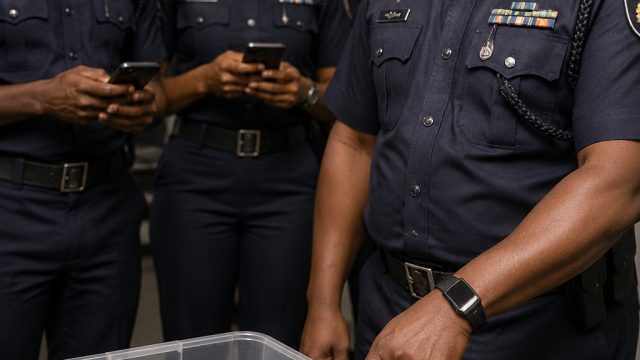
In a significant move that has caught the attention of citizens and law enforcement alike, the Inspector-General of Police, Tunji Disu, has issued a directive prohibiting all Nigeria Police Force officers from engaging in unauthorized activities on social media platforms. This development raises questions about the balance between personal freedom and professional conduct in today’s digital age.
The Directive: Details and Implications
According to an internal circular dated June 22, 2026, and marked "Restricted — For Official Use Only," officers have been clearly instructed to refrain from any social media interactions that could identify them as police personnel. This ban encompasses popular platforms such as TikTok, Instagram, Facebook, and YouTube, emphasizing a strict separation between officers' private lives and their professional obligations.
Reasons Behind the Ban
- Professional Image: The directive aims to preserve the integrity and public perception of the police force. In a time when social media can magnify both positive and negative actions, maintaining a disciplined and professional image is crucial for law enforcement.
- Preventing Misconduct: By limiting officers’ exposure on social media, the police leadership seeks to prevent potential misconduct and unprofessional behavior that could arise from inappropriate online interactions.
- Focus on Duties: The police chief’s intention is to ensure that officers concentrate fully on their responsibilities rather than becoming distracted by social media engagements.
Impact on Officers and Public Perception
This ban has sparked varied reactions from the public and police officers alike. While some argue that it is a necessary measure for maintaining discipline, others feel that it infringes upon personal rights. The advent of platforms like TikTok and Instagram has allowed officers to connect with the community, share educational content, and showcase their humanity. With the current restrictions, how will the force adapt its outreach strategies?
Community Engagement Challenges
The ban raises concerns about the challenges of community engagement. The police force has increasingly relied on social media to build trust and foster relationships with the public. In light of the restrictions, here are some potential consequences:
- Reduced Transparency: Officers will have fewer opportunities to engage openly with citizens, potentially leading to a perceived lack of transparency.
- Public Disconnection: The connection officers have developed with the community through social media could diminish, making community policing efforts more challenging.
- Need for Alternative Channels: The police may need to find alternative methods for community outreach, such as public forums or community events, to maintain dialogue with residents.
Looking Ahead: The Future of Policing in the Digital Era
As technology continues to evolve, the landscape of law enforcement has to adapt accordingly. With the rise of online gambling platforms such as Granbet 88 and gaming such as the Thor demo slot, the police force will need to navigate new challenges associated with online activities. This makes the role of social media even more critical in detecting and addressing crimes related to digital spaces.
Maintaining Relevance in a Digital World
To effectively serve the community, the police must explore ways to remain relevant in an increasingly digital world. Balancing the need for professional conduct with the benefits of social media engagement will be vital. Here are some strategies that could help:
- Training Programs: Implementing training sessions on appropriate social media use that aligns with professional responsibilities.
- Public Awareness Campaigns: Creating initiatives that educate the community about police roles and responsibilities without compromising officers' privacy.
- Feedback Mechanisms: Establishing channels for community feedback that allow the public to voice concerns or commendations regarding police work.
Conclusion
The recent ban on social media use amongst Nigerian police officers presents both challenges and opportunities. As the police force navigates this directive, the focus will need to be on maintaining professionalism while finding innovative ways to engage with the community. At a time when the digital landscape is expanding, law enforcement must adapt to meet the demands of modern society, ensuring that officers remain both accountable and connected to the people they serve.
Previous:Revolutionary AI Tool Enhances
Previous:Revolutionary AI Tool Enhances