

Understanding the Legacy of Sacrifice in the Iron Cross Order | bandar bola88 terbesar, mpo138, rtp slot dragon99
Published: 2026-06-24 12:56:14 Views: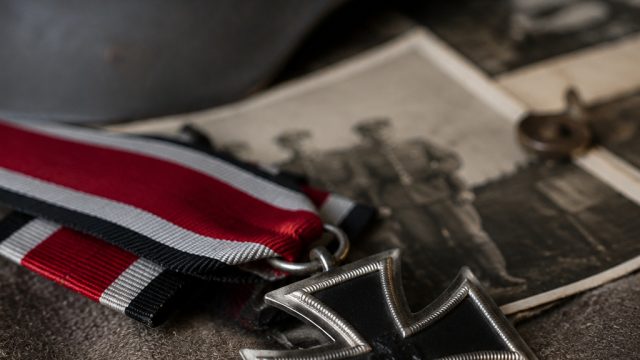
The Iron Cross, a prestigious military honor first instituted in 1813, continues to resonate with themes of bravery and sacrifice. Its profound historical context and enduring legacy are particularly relevant today amidst global conflicts and discussions around military honors. In this article, we will explore the origins, significance, and contemporary implications of the Iron Cross, drawing parallels to modern concepts of service and sacrifice.
The Origins of the Iron Cross
Initially created during the Napoleonic Wars, the Iron Cross aimed to commend acts of valor in the Prussian military. Its design, featuring a black cross with a silver outline, quickly became a symbol of courage and honor. The decoration was awarded for outstanding bravery in battle, fostering a culture of valor that remains deeply ingrained in military traditions.
Key Historical Milestones
- 1821: The Iron Cross is officially introduced, becoming a symbol of military excellence.
- 1864: The award is reestablished during the Second Schleswig War.
- 1914-1918: The Iron Cross gains widespread recognition during World War I, awarded to numerous soldiers.
- 1939-1945: The Iron Cross is controversially used by Nazi Germany, altering its perception.
The Significance of the Iron Cross Today
While the historical significance of the Iron Cross remains, its representation has evolved. In contemporary discussions, the legacy of the Iron Cross invites reflection on themes of honor, sacrifice, and the complexities of military awards. Understanding its background helps us appreciate modern military honors, as many countries grapple with the moral implications of war and its commemoration.
The Iron Cross in Modern Culture
The symbol of the Iron Cross has transcended its military origins, appearing in various cultural contexts. It can be seen in:
- Art and Literature: Many authors and artists reference the Iron Cross to signify bravery.
- Fashion: The cross has been adopted in various fashion trends, often devoid of its historical context.
- Media: Movies and games depict the Iron Cross, influencing public perception of military history.
Reflections on Sacrifice and Valor
As we navigate a world marked by conflict and the sacrifices made by service members, the legacy of the Iron Cross serves as a reminder of the need to honor those who serve. The discussions surrounding military awards and the notion of sacrifice are increasingly important, especially as we recognize the complexities involved in war and peace.
Modern Military Honors
Today, many nations have developed their systems for recognizing valor similar to the Iron Cross. These include:
- The Medal of Honor (United States)
- The Victoria Cross (United Kingdom)
- The Order of Australia (Australia)
- The Legion of Honour (France)
Each of these honors reflects a commitment to recognizing extraordinary acts of bravery, emphasizing the enduring importance of valor and sacrifice in military cultures worldwide.
Conclusion: The Continuing Relevance of the Iron Cross
The Iron Cross stands as a powerful emblem of sacrifice and bravery. Its historical journey mirrors society's evolving understanding of military valor and the consequences of war. As we consider the implications of military honors today, the Iron Cross reminds us of the stories of courage that shape our history and the ongoing dialogue about sacrifice in the present. By understanding the legacy of the Iron Cross, we honor those who have bravely served and continue to navigate the complex landscape of military recognition.
Previous:Global Sentiment Shift: U.S. F
Previous:Global Sentiment Shift: U.S. F