

How U.S. Food Aid Strategy Is Evolving Amid Global Crises | top spin777, mpocepek
Published: 2026-06-25 02:11:53 Views: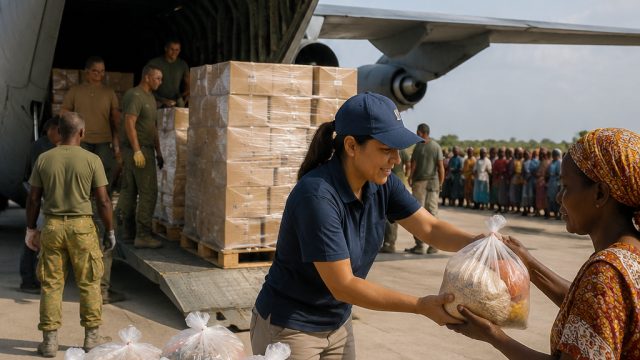
In the face of escalating global hunger crises exacerbated by conflicts, natural disasters, and economic instability, the United States is fundamentally reshaping its approach to food aid. This shift is not merely a logistical adjustment; it signifies a broader strategy where food assistance is becoming a diplomatic lever in international relations. With stockpiles of nutrition bars remaining in U.S. factories, the urgency to innovate food distribution methods has never been more pronounced.
The Changing Landscape of Food Aid
The U.S. government has traditionally been a significant player in international food relief efforts, deeply committed to alleviating hunger worldwide. However, recent developments suggest a more strategic deployment of aid, where nutritional assistance is intertwined with diplomatic objectives. By leveraging food aid as a tool for fostering relationships with other nations, the U.S. aims to enhance both humanitarian outcomes and its geopolitical stance.
Current Food Aid Challenges
- Increasing Demand: Global hunger rates have surged, with millions more facing food insecurity due to ongoing conflicts and climate change.
- Logistical Hurdles: Shipping constraints and rising costs have complicated the distribution of food aid, necessitating new solutions.
- Resource Allocation: With existing supplies piling up domestically, optimizing distribution channels is critical.
Innovative Approaches to Food Distribution
As traditional methods face scrutiny, innovative strategies are emerging in food distribution. These new approaches not only aim to deliver food more effectively but also seek to enhance the nutritional quality of aid provided.
Leveraging Technology
Digital platforms and data analytics are becoming vital in streamlining the process of food distribution. By utilizing tracking technologies, organizations can better manage inventories and ensure that food reaches those in dire need promptly. Additionally, blockchain technology is being explored for its potential to increase transparency and efficiency in aid delivery.
Building Local Partnerships
Collaborating with local organizations and governments is proving effective in enhancing the sustainability of food aid efforts. These partnerships allow for a more tailored response to specific community needs, ensuring that food aid is both culturally appropriate and timely. Furthermore, involving local entities helps in building resilience against future crises.
Why This Matters Now
The urgency of revising U.S. food aid strategies cannot be overstated. With global food insecurity at an all-time high, the current geopolitical climate demands that the U.S. reassess its role in international aid. By shifting its approach, the U.S. can not only address immediate humanitarian needs but also strengthen its diplomatic ties across the globe.
Future Implications
The implications of these changes in food aid strategies extend beyond immediate humanitarian relief. By aligning food assistance with diplomatic goals, the U.S. positions itself as a proactive player in global stability. This approach may encourage other countries to follow suit, potentially leading to a unified international effort to address hunger and malnutrition.
Conclusion
The evolution of U.S. food aid strategies marks a significant turning point in how humanitarian efforts are conducted. By leveraging food assistance as a diplomatic tool and embracing innovative distribution methods, the U.S. is not only addressing pressing global hunger issues but also reinforcing its position on the world stage. As we navigate these changes, the focus remains on ensuring that aid reaches those who need it most, paving the way for a healthier, more secure future.
Previous:Exploring the Enduring Influen
Previous:Exploring the Enduring Influen