

Court Ruling Accelerates U.S. Deportation Processes Amid Ongoing Immigration Debate | yogapro, slots online, kios365
Published: 2026-06-25 02:14:07 Views: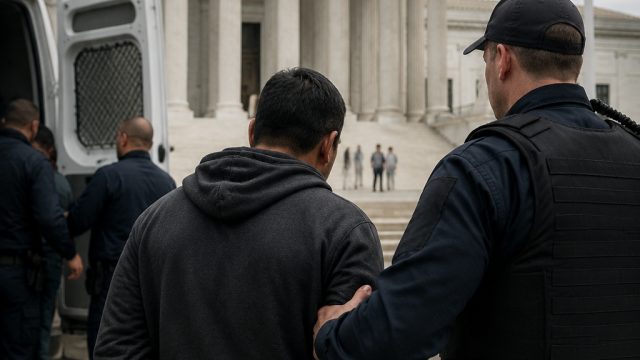
In a significant legal development, a federal appeals court has permitted the Trump administration to expand its use of expedited deportations for migrants. This ruling comes at a time when immigration policies are under intense scrutiny and debate across the United States. Understanding the implications of this ruling is crucial as it could reshape the landscape of U.S. immigration policy.
Understanding the Ruling: What It Means for Expedited Deportations
The recent court decision enables Immigration and Customs Enforcement (ICE) to implement a faster deportation process nationwide. This decision follows a series of legal challenges that have previously hindered efforts to streamline deportation procedures.
Expedited Deportation Explained
Expedited deportations allow immigration authorities to swiftly remove individuals from the country without the usual lengthy court proceedings. Here’s a closer look at how this process works:
- Eligibility Criteria: Typically applies to migrants who have recently entered the country without proper documentation.
- Process Duration: The deportation process can occur within a matter of hours or days, contrasting sharply with traditional proceedings that can last months or years.
- Legal Appeals: Limited opportunities for migrants to appeal the decision compared to regular deportation cases.
The Context of Immigration Policy in the U.S.
This ruling is not occurring in a vacuum; it reflects ongoing tensions and developments in U.S. immigration policy. The Trump administration has long advocated for stricter immigration controls, framing expedited deportations as necessary for national security and public safety.
Key Factors Influencing Current Policies
Several factors are driving the current landscape of immigration policy:
- Public Opinion: Recent polling suggests that immigration remains a hot-button issue, with considerable divisions among voters about how to handle undocumented migrants.
- Political Climate: The ruling comes in an election year, influencing debate among candidates and parties regarding immigration reforms.
- Legal Precedents: Previous court decisions have shaped the administration's approach, making this ruling especially pivotal.
Potential Impacts on Migrants and Communities
The expansion of expedited deportations raises concerns for many communities, especially those with significant immigrant populations. Here’s what to consider:
Concerns for Affected Immigrants
- Increased Fear: Many undocumented immigrants may feel heightened anxiety about potential deportation, leading to a chill in community engagement.
- Legal Resources: Access to legal assistance may become more critical as expedited processes limit opportunities for defense.
- Impact on Families: Rapid deportations can separate families, adding emotional and economic strain on communities.
Community Responses
In light of this ruling, various community organizations and advocacy groups are mobilizing:
- Awareness Campaigns: Organizations are educating communities about their rights and available legal resources.
- Legal Assistance Programs: Initiatives are being launched to provide support to those facing expedited deportation.
- Political Advocacy: Groups are calling for comprehensive immigration reform to address the root causes of migration and the needs of affected families.
Conclusion: The Road Ahead for Immigration Policy
The recent court ruling allowing for the expanded use of expedited deportations marks a pivotal moment in U.S. immigration policy. As the Trump administration moves forward with these changes, the implications will be felt across various communities. It is essential for those affected to remain informed and engaged as the situation develops. With a complex political landscape, the future of immigration policies remains uncertain, making advocacy and awareness more critical than ever.
Previous:NBA Draft 2026: Key Takeaways
Previous:NBA Draft 2026: Key Takeaways