

The Future of Lunar Telescopes: Insights from the Upcoming AMMG STIG Seminar | jadwal perempat final liga champions 2017, slot di jamin maxwin
Published: 2026-06-24 12:45:24 Views: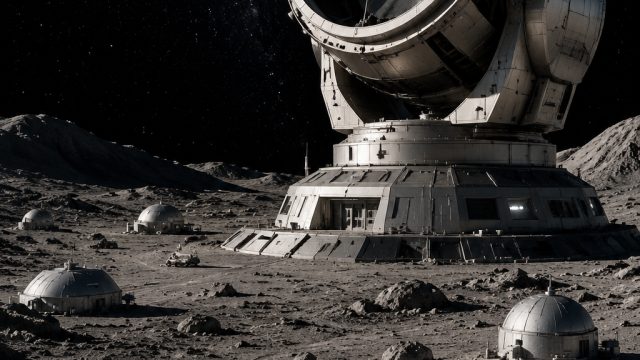
As humanity inches closer to establishing a permanent presence on the Moon, the role of telescopes in enhancing our understanding of the cosmos is becoming increasingly critical. The upcoming AMMG STIG Seminar, scheduled for July 1, 2026, promises to shed light on innovative concepts surrounding lunar telescopes. With expert Nivedita Mahesh from CU Boulder leading the discussion at 2:00 PM ET, attendees can expect to explore pivotal questions about where and why telescopes should be positioned on the lunar surface.
Why Lunar Telescopes Matter Right Now
As we venture into a new era of space exploration, the quest for knowledge about the universe has reached an unprecedented tempo. The Moon, our nearest celestial neighbor, offers a unique platform that could revolutionize astronomical research. Here’s why the conversation at the AMMG STIG seminar is particularly timely:
- Unobstructed Views: With minimal atmospheric interference, telescopes on the Moon could provide clearer insights into deep space phenomena.
- Accessibility and Cost-Effectiveness: Establishing telescopes on the Moon could prove more economical in the long run, allowing frequent observations without the limits faced on Earth.
- Enhanced Collaboration: This initiative opens avenues for international partnerships, technology sharing, and combined research efforts in space science.
Key Topics at the AMMG STIG Seminar
The agenda for the seminar emphasizes crucial questions regarding the placement and technology of lunar telescopes. Here are some highlighted discussion points:
Optimal Locations for Telescopes
Determining the best sites for telescopes on the Moon involves understanding the lunar environment. Critical factors include:
- Areas with stable temperature ranges
- Locations shielded from lunar dust storms
- Regions with direct access to the far side of the Moon for unobstructed views of the universe
Technological Innovations
Technological advancements will play a vital role in the success of lunar telescopes. Some cutting-edge innovations include:
- Adaptive Optics: Improving image clarity and precision.
- Automated Observation Systems: Allowing telescopes to operate autonomously and efficiently.
- Data Transmission Technologies: Enhancing the speed and accuracy of data retrieval from lunar telescopes.
The Bigger Picture: Astronomy’s Next Frontier
The exploration of lunar telescopes isn't just about technology; it’s about what we can learn from the universe. Insights gained from these telescopes could answer fundamental questions about the origins of celestial bodies and the potential for life beyond Earth. This seminar serves as a critical platform for discussing these possibilities and the steps necessary to make them a reality.
The Role of Collaboration in Advancing Space Research
Bringing together experts from various fields, the AMMG STIG Seminar emphasizes the importance of collaboration in advancing our knowledge of astronomy:
- Interdisciplinary Approaches: Combining expertise from astrophysics, engineering, and environmental sciences.
- Global Partnerships: Engaging international space agencies and private sector participants.
- Public Engagement: Promoting awareness and interest in lunar exploration among the general public.
Conclusion: The Future is Bright
The AMMG STIG Seminar on July 1, 2026, is set to play a pivotal role in shaping the future of lunar telescopes and astronomical research. With expert insights and the promise of groundbreaking developments, this event is not just for scientists but for anyone interested in the mysteries of the universe. Join us in exploring how we can leverage lunar telescopes to unlock the secrets of the cosmos and inspire future generations of explorers.
Previous:SEC Issues Caution on Unverifi
Previous:SEC Issues Caution on Unverifi