

Russia Faces Diesel Export Challenges Amid Ongoing Conflict | situs 4d terbaru, jili slot jackpot
Published: 2026-06-24 12:41:58 Views: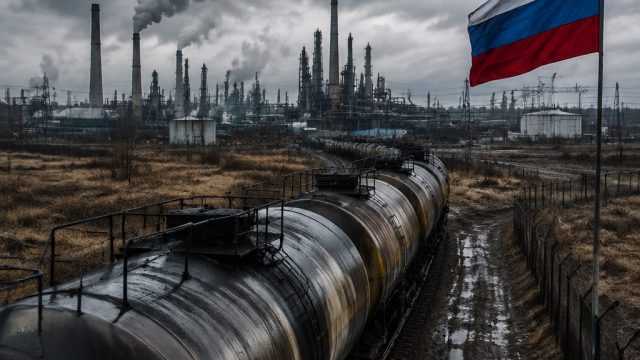
In a significant turn of events, Russia is contemplating a ban on diesel exports as the repercussions of the ongoing conflict with Ukraine intensify. This decision comes amid rising fuel shortages that are increasingly affecting not just the Russian economy but also global markets. The situation calls for close attention as it may alter the dynamics of fuel supply and demand worldwide.
The Impact of Diesel Export Ban
Russia's potential ban on diesel exports could have far-reaching consequences. With the recent strikes in Ukraine causing disruptions, this move seems to be aimed at stabilizing domestic fuel supply.
Domestic Fuel Supply Concerns
- Increased demand for fuel within Russia due to military operations
- Pressure on local refineries to prioritize domestic consumers
- Fear of petrol shortages leading to public unrest
As the war continues, the Russian government faces the dilemma of balancing military needs with consumer demand. This internal conflict will likely prompt changes in how fuel is managed and distributed.
Global Market Repercussions
The implications of Russia's decision extend beyond its borders. Global markets are already feeling the effects of fuel supply instability, and a ban on diesel exports could exacerbate these issues.
Effects on International Fuel Prices
Analysts predict that a reduction in diesel availability from Russia could lead to:
- Increased prices at the pump in many countries
- Potential restrictions on fuel exports from other nations to compensate
- Higher transportation costs affecting various sectors, including goods and services
Response from Other Nations
Countries reliant on Russian diesel are already strategizing on how to mitigate risks associated with potential shortages. Some immediate responses include:
- Exploring alternative sources of diesel fuel
- Increasing domestic production capabilities
- Negotiating new trade agreements with oil-rich nations
Public Reaction and Government Measures
The public's response to these developments has been mixed. While some citizens express understanding of the need for prioritizing military supplies, others are growing increasingly concerned about the cost of basic necessities.
Government Strategies to Address Shortages
In response to rising tensions and fuel scarcity, the Russian government may implement various measures to control the situation:
- Subsidizing fuel prices for essential services
- Improving distribution logistics to ensure availability across regions
- Launching public information campaigns to manage expectations
Looking Ahead: What This Means For Consumers
As the situation unfolds, consumers must brace for possible price hikes and limited availability of diesel-powered products and services. It is crucial to stay informed about the global fuel market's trends and potential policy shifts that could affect everyday life.
Preparation for Future Challenges
To navigate this uncertain landscape, consumers are encouraged to:
- Stay updated on fuel availability in local markets
- Consider alternative transportation methods
- Remain vigilant about government announcements regarding fuel management
Conclusion
The situation regarding Russia's diesel exports and the broader implications of the ongoing conflict with Ukraine are evolving rapidly. The potential ban on diesel exports stands to significantly impact both domestic and global markets, prompting a need for strategic planning among governments and consumers alike. As we move forward, continuous monitoring of the situation will be essential for understanding its full ramifications.
Previous:Missouri Attorney General Take
Previous:Missouri Attorney General Take