

Supreme Court Ruling Raises Concerns Over Religious Freedom in Prisons | lks4d slot, darumabet slot login, nmr klr sydney
Published: 2026-06-25 02:02:16 Views: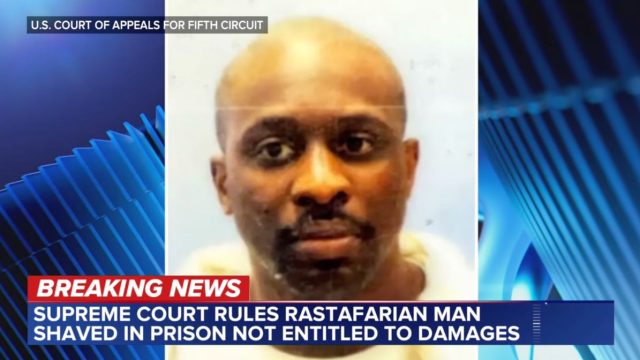
The recent decision by the United States Supreme Court has sparked significant debate regarding the balance between institutional authority and individual religious rights within the prison system. This ruling, which affects the case of Damon Landor, a Rastafarian inmate whose dreadlocks were forcibly cut by prison guards, highlights ongoing issues of religious freedom in correctional facilities.
The Case of Damon Landor
Damon Landor, a Rastafarian, made headlines when he challenged the treatment he received from prison officials. According to reports, Landor informed the guards of the legal protections afforded to his religious beliefs under the Religious Freedom Restoration Act (RFRA). Despite this, his dreadlocks, a vital aspect of his faith, were shaved off against his will. This incident raises critical questions about how religious practices are respected—or overlooked—in correctional environments.
The Supreme Court’s Decision
In a narrow ruling, the Supreme Court sided with prison officials, indicating that the guards acted within their rights when they disregarded Landor's religious beliefs. This decision has prompted criticism from civil rights activists and organizations dedicated to religious freedoms, who argue that it sets a troubling precedent. The implications of the ruling extend beyond Landor's case, affecting how religious expressions are treated in prisons nationwide.
Implications for Inmates' Rights
- Potential Erosion of Religious Protections: The ruling could diminish the rights of inmates to practice their faith freely, leading to more restrictions on religious attire and grooming standards.
- Increased Tensions Between Inmates and Guards: Incidents like Landor's may foster hostility, as inmates feel disrespected and devalued in their beliefs.
- Call for Legislative Action: Advocates are urging lawmakers to revisit and bolster legal protections for religious practices within prisons to prevent future violations.
The Broader Context of Religious Freedom in America
This ruling occurs within a larger framework of growing concerns about religious freedom across various sectors of society. The discussion around inmates’ rights is particularly crucial given the ongoing debates surrounding religious expression in public institutions. As cases like Landor's emerge, the need for clear guidelines on how to respect and protect religious beliefs in prison settings becomes ever more pressing.
Striking a Balance
Current discourse emphasizes finding a balance between maintaining order in correctional facilities and protecting the fundamental rights of individuals. Some suggestions include:
- Establishing clear policies regarding religious observances in prisons.
- Training for prison staff on the importance of religious diversity and the implications of the law.
- Encouraging dialogue between inmate representatives and prison administration to address grievances before they escalate.
Public Reaction and Future Steps
The public reaction to the Supreme Court's decision has been mixed, with many advocating for stronger protections for religious freedoms. Activists are mobilizing to raise awareness about the need for comprehensive reforms in how religious practices are treated in correctional facilities. Upcoming discussions in Congress may provide an opportunity for advocates to push for legislative changes to ensure that inmates’ religious rights are respected.
How You Can Get Involved
For those interested in supporting religious freedom initiatives, there are various ways to engage:
- Contact local representatives to express support for stronger protections for religious practices in prisons.
- Join or support organizations focused on civil rights and religious freedom issues.
- Stay informed about legal changes regarding religious rights and participate in community discussions.
Conclusion
The Supreme Court's ruling in the case of Damon Landor serves as a significant reminder of the ongoing struggle for religious freedom within the prison system. As the discourse around this issue continues, it is vital for society to engage in meaningful conversations about how to protect the rights of all individuals, regardless of their religious affiliations. Ensuring that inmates can practice their faith freely is an essential component of a fair and just correctional system.
Previous:Unlocking Value: Insights from
Previous:Unlocking Value: Insights from