

Understanding Alien Minds Through Neuroscience for Creators | rtp herospin88, raja787 slot login
Published: 2026-06-24 12:51:49 Views: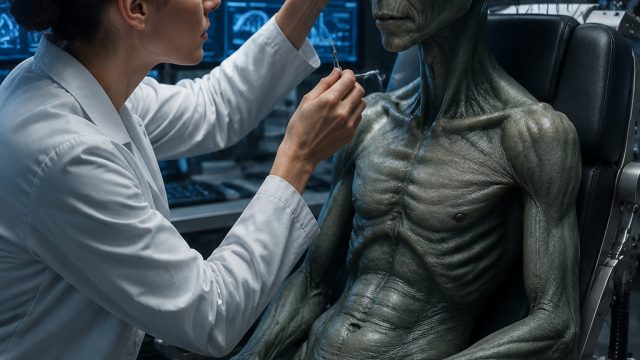
As science fiction and fantasy writers strive to create compelling narratives, the challenge often lies in depicting characters that resonate with readers. One of the most fascinating areas of exploration for authors is the portrayal of alien minds. Drawing insights from neuroscience can be an invaluable tool for creators aiming to develop nonhuman experiences that feel authentic and engaging. In this article, we will delve into how an understanding of the brain and its functions can facilitate the creation of believable alien characters.
Why Neuroscience Matters for Creative Writers
Neuroscience, the study of the nervous system, provides a foundation for understanding how thoughts, emotions, and behaviors are formed. This field offers writers a way to explore the complexities of consciousness and perception. By applying these concepts to alien characters, authors can enhance their stories, making them not only imaginative but also relatable in some aspects. Here are a few reasons why integrating neuroscience into character development is essential:
- Enhanced Realism: By understanding how different brains function, writers can craft alien species with unique cognitive abilities.
- Emotional Depth: Neuroscience sheds light on how emotions are processed, allowing for nuanced portrayals of alien feelings.
- Innovative Perspectives: Examining diverse neurological frameworks can inspire original concepts that challenge traditional storytelling norms.
How to Translate Brain Function into Alien Character Traits
When creating alien characters, it is helpful to consider how their brain functions differ from humans. Here are some critical areas of focus:
1. Sensory Perception
Humans rely on five primary senses to experience the world. Alien beings, however, may possess entirely different sensory modalities. For example:
- Some aliens might perceive electromagnetic fields, allowing them to navigate their environment in ways humans cannot.
- Others could have heightened or diminished senses, such as extreme vision capabilities in darkness.
By creating aliens with unique sensory experiences, writers can immerse readers in unfamiliar worlds, highlighting the vast diversity of life forms.
2. Emotional Processing
Understanding how emotions are processed differently in alien minds can lead to intriguing character interactions. For instance:
- An alien species might experience emotions through a completely different biochemical process, leading to unique reactions to situations.
- Some might lack certain emotional responses altogether, resulting in misunderstandings with human characters.
Such variations can add depth to character relationships and drive the narrative forward.
3. Cognitive Abilities
Different brain structures can lead to various cognitive skills or limitations. Writers can explore:
- Advanced problem-solving capabilities that allow aliens to devise strategies foreign to human thinking.
- Slower processing speeds that create tension in scenarios requiring quick decision-making.
These cognitive differences can enrich plotlines and offer readers a chance to engage with characters in innovative ways.
Using Neuroscience to Develop Plot Elements
Beyond character development, neuroscience can also inform plot dynamics. Here’s how:
1. Conflict Driven by Misunderstanding
The unique ways aliens think and feel can lead to compelling conflicts in narratives. For example, a human character may misinterpret an alien's emotional expression, resulting in escalating tension or humor.
2. Alien Technology and Communication
Consider how an alien's neurological capacities influence their technology and communication methods. For instance, if an alien species communicates via chemical signals rather than sound, how do human characters adapt? This opens doors for rich storytelling opportunities.
3. Societal Structures
Different cognitive processes may lead to unique societal norms and structures in alien cultures. Writers can explore:
- Hierarchies based on cognitive abilities rather than physical attributes.
- Social interactions that prioritize collective over individualistic mindsets.
Such elements can create intricate world-building that captivates readers and enriches the story.
Conclusion: The Future of Alien Storytelling
As we venture deeper into the realms of storytelling, the integration of neuroscience into character and plot development offers a treasure trove of opportunities for writers. By exploring how alien minds operate, authors can craft narratives that resonate with audiences, push creative boundaries, and ultimately redefine the landscape of science fiction and fantasy. The future of storytelling lies in our ability to imagine and construct experiences that, while alien, echo the very essence of what it means to be sentient. Embrace the power of neuroscience and watch your worlds come alive!
Previous:Experience Local Shopping Extr
Previous:Experience Local Shopping Extr