

Understanding Europe's Heat Wave: Climate Change's Current Impact | jayatogel 2021, euro slot online
Published: 2026-06-25 02:11:42 Views: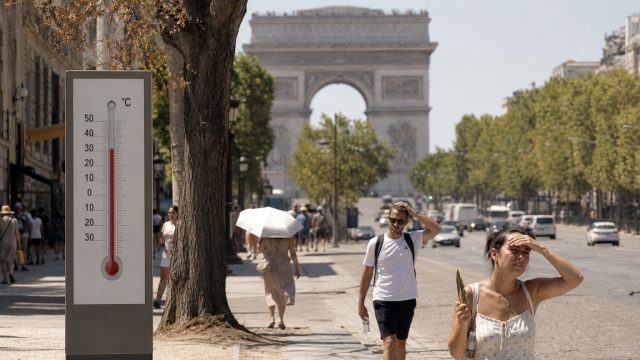
As Europe grapples with a remarkable heat wave this summer, the question of climate change’s role in these extreme temperatures is more pressing than ever. In recent times, we have witnessed unprecedented climate conditions that not only challenge our daily lives but also raise alarms on a global scale. This article delves into the intricate relationship between climate change and the soaring temperatures currently experienced across Europe, highlighting why this issue is critical to understand right now.
The Current Heat Wave: A Brief Overview
Europe has been experiencing record-breaking temperatures this summer, with several countries reporting highs that surpass historical averages. These extreme weather conditions have disrupted daily routines, impacted agriculture, and raised health concerns among populations. Such intense heat not only challenges the infrastructure but also puts immense pressure on energy resources and public health systems.
Recent Temperature Records
- Countries like Spain and Italy have reported temperatures exceeding 40°C (104°F).
- Over 100,000 people in France have been affected by heat alerts.
- The hottest July recorded in the UK has raised concerns over climate resilience.
Connecting Dots: Climate Change and Heat Events
Experts emphasize that while heat waves can occur naturally, the increasing frequency and intensity of these events are closely tied to climate change. Jennifer Francis, a senior scientist at the Woodwell Climate Research Center, notes that human activities, particularly carbon emissions, accelerate these changes. This summer's heat wave is a testament to the urgent need for understanding and mitigating the effects of our changing climate.
Understanding the Mechanism
The mechanism behind the current heat wave can be attributed to several interlinked factors:
- Increased Greenhouse Gases: The accumulation of greenhouse gasses in the atmosphere traps heat, raising global temperatures.
- Altered Weather Patterns: Changes in the jet stream can lead to prolonged periods of heat, as air masses become stagnant over regions.
- Urban Heat Islands: Urban areas tend to retain heat more than rural areas, exacerbating the impact of heat waves.
Immediate Ramifications for Europe
The implications of this ongoing heat wave extend far beyond discomfort. The immediate effects observed include:
- Agricultural Strain: Crops face stress from extreme heat, affecting food supply and prices.
- Public Health Risks: Increased heat-related illnesses such as heatstroke and dehydration have been reported across affected areas.
- Energy Demand Surges: The reliance on air conditioning during heat waves spikes energy consumption, leading to potential shortages.
Long-Term Consequences
As these heat events become more common, Europe faces long-term challenges:
- Shift in Ecosystems: Biodiversity may suffer as species struggle to adapt to changing climates.
- Economic Impact: Increased healthcare costs and reduced agricultural yields can strain economies.
- Migration Pressures: Areas severely affected by climate-related issues may see increased migration, creating socio-political challenges.
What Comes Next: Mitigation and Adaptation Strategies
Addressing the root causes of climate change and adapting to its consequences are crucial steps forward. Experts advocate for:
- Renewable Energy Investments: Transitioning to renewable energy sources can significantly reduce carbon footprints.
- Improved Urban Planning: Designing cities that mitigate heat retention can help lower temperatures.
- Public Awareness Campaigns: Educating communities on the importance of climate action and personal responsibility is vital.
Community Involvement and Global Responsibility
While governments play a crucial role in combating climate change, individual and community actions can also drive change. Engaging in sustainable practices, advocating for policy changes, and supporting local environmental initiatives are all steps that contribute to a larger movement against climate change.
Conclusion: The Urgency of Today
The current heat wave across Europe serves as a stark reminder of the effects of climate change that we are already facing. Understanding its implications today is essential for making informed decisions for tomorrow. As we witness these extreme conditions, it is crucial for individuals, communities, and nations to come together to mitigate impacts and foster a sustainable future. The time to act is now, ensuring that future generations inherit a planet that is conducive to life and health.
Previous:Utah Faces Challenging Fire Se
Previous:Utah Faces Challenging Fire Se