

Unprecedented Tyre Bursts: A Wake-Up Call for Aviation Safety | result dunia, nier gbf, pandacuan slot, somasi4d, qqq777 slot, situs poker depo pulsa tanpa potongan, pragmatic play no deposit bonus
Published: 2026-06-24 01:04:39 Views: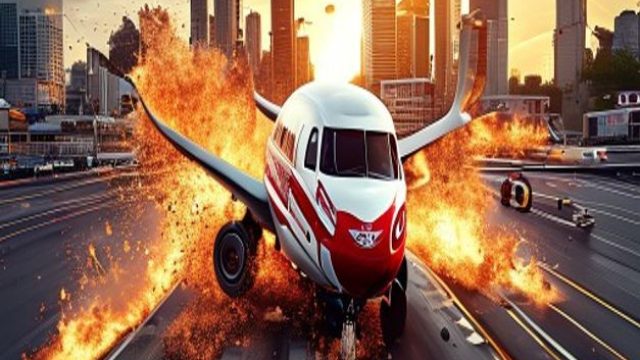
Unprecedented Tyre Bursts: A Wake-Up Call for Aviation Safety
In a rare and alarming event, two Singapore Airlines Boeing 737 MAX 8 aircraft encountered tyre bursts under strikingly similar circumstances at Kuala Lumpur International Airport. This incident has raised critical discussions regarding aviation safety protocols and maintenance procedures that demand immediate attention from airlines and regulatory bodies alike.
The Incident Unfolded
The first aircraft, operating flight SQ114, was landing when it experienced a double tyre burst, triggering emergency protocols that caused a ripple effect among other arriving flights. As multiple aircraft were forced into go-arounds, the situation underscored the complexities and challenges faced by modern aviation.
Emergency Response Triggered
The immediate response involved emergency crews being dispatched to the scene as soon as the tyre burst was detected. The flight crew acted swiftly, adhering to standard operating procedures to ensure passenger safety:
- Assessment of the situation: The pilots quickly assessed the control of the aircraft post-tyre burst to avoid potential accidents.
- Communication: The air traffic control was promptly informed, leading to a coordinated emergency response.
- Evacuation Procedures: Passengers were safely evacuated while emergency services prepared for any further complications.
Impact on Regional Aviation
This rare occurrence has sent shockwaves through the aviation sector, particularly among airlines operating in and around Southeast Asia. The aviation community is now reflecting on what these incidents mean for future operational safety and risk management:
Heightened Safety Concerns
With the recent tyre bursts, airlines must reevaluate their maintenance protocols. The aviation industry has stringent safety standards, yet this incident showcases the potential for overlooked risks. Here’s why it matters now:
- Passenger Trust: Incidents like these can diminish passenger confidence in airline safety. It's crucial for airlines to communicate transparent safety measures to restore trust.
- Regulatory Scrutiny: Regulatory bodies may tighten safety regulations, leading airlines to invest more in preventive measures.
- Maintenance Protocols: Continuous assessments are essential to ensure that all aircraft are maintained to the highest standards and inspected regularly.
Lessons to Learn
As the dust settles on this unprecedented incident, several key lessons can be extracted to enhance aviation safety:
1. Importance of Regular Training
The timely execution of emergency protocols relies heavily on well-trained staff. Regular training sessions on emergency situations ensure that all crew members are prepared for unexpected events.
2. Maintenance and Inspection Routines
Aircraft maintenance routines must involve thorough inspections, particularly focusing on landing gear and tyres, which are critical for safe operations.
3. Collaboration with Regulatory Bodies
Airlines should work closely with aviation authorities to ensure that best practices are developed and adhered to throughout the industry.
Conclusion
The recent tyre burst incident involving Singapore Airlines highlights the ongoing challenges within the aviation industry and serves as a crucial reminder of the necessity for rigorous safety protocols. As airlines and regulatory bodies digest the implications of this rare event, proactive steps must be taken to reinforce safety measures and restore confidence among travelers. In our evolving travel landscape, the commitment to safety remains more vital than ever.
Previous:No more
Previous:No more