

Financial Struggles and Family Tragedies Spark Calls for Euthanasia in India | pangeran 96 slot, pt bonafit adalah
Published: 2026-06-25 12:31:26 Views: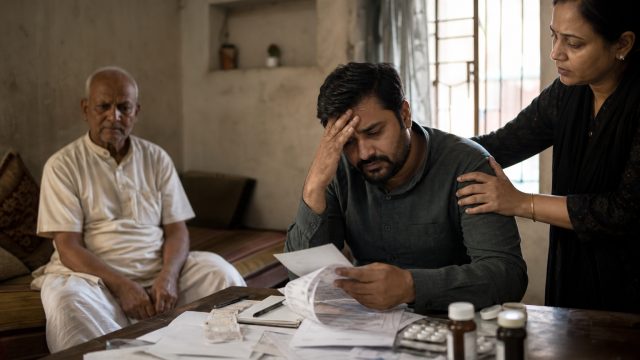
In a poignant case from India, a couple's request for euthanasia has ignited a deep ethical debate about the intersection of financial hardship and the right to die. With multiple family tragedies compounding their financial struggles, this couple's story has caught the attention of both the public and policymakers, emphasizing the urgent need for discussions on mental health and compassionate options in distressing times.
The Background: A Family in Crisis
Recent reports have highlighted how extensive financial distress can lead to overwhelming despair. For this couple, the passing of nine family members within a short span, coupled with severe financial problems, created a perfect storm of emotional and psychological strain. As many families face similar challenges, this tragic situation raises critical questions about mental health resources and end-of-life choices in India.
Understanding the Emotional Toll
- Financial insecurity often correlates with heightened stress levels.
- The grief from losing loved ones can compound existing emotional burdens.
- Social stigma surrounding mental health can prevent individuals from seeking help.
The emotional toll of financial struggles cannot be overstated. Many individuals find it difficult to cope with crises, making it vital for society to provide robust support systems. The couple’s plea for euthanasia highlights a desperate search for relief from suffering that goes beyond physical pain.
Euthanasia and Its Legal Landscape in India
Euthanasia remains a contentious issue in India. While the Supreme Court has made strides in recognizing the right to die with dignity, the journey towards uniformly accepted laws is fraught with challenges. Legal frameworks primarily focus on voluntary euthanasia but fail to address cases where mental health also plays a crucial role.
Key Legal Aspects
- India recognizes passive euthanasia under strict conditions.
- Active euthanasia remains illegal, complicating cases involving mental health.
- There is ongoing debate about rights for those suffering psychological distress.
Legal discussions surrounding euthanasia in India are crucial, especially as they intertwine with issues of mental health. The current legal framework doesn't fully address cases where psychological suffering is involved, leaving many individuals and families without adequate support or options.
The Ethical Discussion: Balancing Compassion and Law
The ethical implications of allowing euthanasia are complex. While many advocate for individual autonomy and the right to choose, others raise concerns about the potential for abuse and misuse of such laws. This leads to a broader conversation about how societies can provide compassionate care without resorting to extreme measures.
Arguments For and Against Euthanasia
- For: Proponents argue for the right to choose, especially in cases of unbearable suffering.
- Against: Opponents worry that legalization may lead to coercion of vulnerable individuals.
This ethical debate touches not only on euthanasia but also on the responsibilities of society to provide mental health support and financial assistance. To prevent cases like that of the couple from becoming commonplace, a holistic approach addressing emotional well-being and financial security is necessary.
The Way Forward: A Call for Comprehensive Support
In light of this tragic event, there is an urgent need for enhanced mental health services and financial support systems. Policymakers must consider integrating mental health care into the broader health system to address not only physical ailments but also the emotional and psychological struggles that many face.
Proposed Solutions
- Increase funding for mental health services.
- Develop community support programs for families in distress.
- Initiate public awareness campaigns on mental health and financial literacy.
Implementing these solutions can help ensure that individuals facing similar hardships receive the support they need, potentially preventing the need to consider extreme options like euthanasia. It is crucial for society to foster an environment of understanding and assistance, recognizing the complex interplay between mental health, financial stability, and ethical decision-making.
Conclusion: A Collective Responsibility
The heartbreaking plea from this Indian couple serves as a wake-up call for society to address the compounded challenges of financial distress and mental health. By fostering a compassionate approach that prioritizes support and understanding, we can strive to create a world where individuals find help in their darkest times, ultimately reducing the need for discussions around euthanasia. It is a collective responsibility to ensure that people in distress are given the care and resources they deserve.
Previous:47 Hostages Freed in Nigeria:
Previous:47 Hostages Freed in Nigeria: