

47 Hostages Freed in Nigeria: A Glimmer of Hope Amidst Terrorism | domino qiu qiu slot online apk, klasemen liga inggris detik com
Published: 2026-06-25 12:29:19 Views: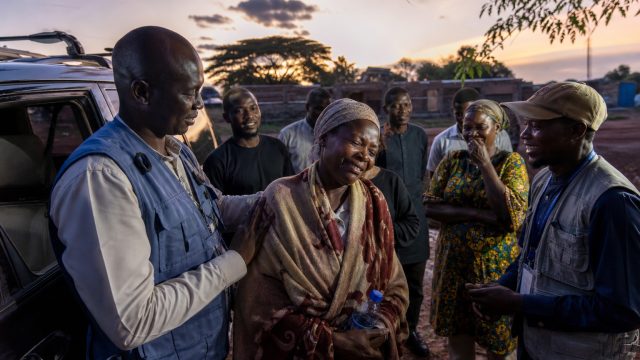
In a significant development in Nigeria, authorities have confirmed the release of over 47 hostages held by the Islamic State West Africa Province (ISWAP). This event not only sparks hope for the victims' families but also raises critical questions about the ongoing struggle against terrorism in the region. As Nigeria battles the pressures of insecurity, the implications of this release extend beyond mere statistics; they touch the lives of many and highlight the urgent need for comprehensive solutions.
The Context of Terrorism in Nigeria
Nigeria has been grappling with numerous security challenges, particularly from militant groups like ISWAP and Boko Haram. The situation has escalated over the past decade, leading to countless abductions and loss of lives. The recent release of hostages offers a momentary respite for affected communities, yet it underscores the persistent nature of the threats they face.
Understanding ISWAP's Operations
ISWAP has established itself as a formidable force within Nigeria, engaging in various criminal activities, including abductions for ransom. Their tactics often involve targeting vulnerable populations, particularly women and children, which contributes to a pervasive climate of fear and instability.
The Release of Hostages: What Led to This Moment?
The successful release of the 47 hostages was the result of strategic negotiations, highlighting the importance of dialogue even in the direst circumstances. Local and international stakeholders have been involved in these negotiations, emphasizing the need for a multi-faceted approach to resolving the crisis.
Key Factors Contributing to the Release
- Negotiation Strategies: Experts argue that well-planned negotiations often yield better outcomes in hostage situations.
- Community Involvement: Engagement from local communities can significantly impact the dynamics of hostage release efforts.
- International Pressure: Global awareness and condemnation of terrorist activities lend support to local efforts in addressing these challenges.
Broader Implications for Nigerian Society
The release of these hostages is not just an isolated incident; it reflects broader societal issues that need urgent attention. The trauma experienced by these individuals and their families can have lasting impacts, necessitating comprehensive support systems.
Addressing the Needs of the Released Hostages
While the physical release is a crucial first step, the emotional and psychological support for the victims is equally important. Organizations and government bodies need to prioritize:
- Psychological Counseling: Facilitating mental health support for the released individuals to help them cope with trauma.
- Reintegration Programs: Offering programs that aid in the reintegration of these individuals into their communities.
- Community Awareness: Encouraging communities to welcome back returned hostages and reduce stigma.
The Path Forward: Combating Terrorism in Nigeria
As Nigeria continues to face the threat of terrorism, the need for robust strategies to combat ISWAP and other militant groups remains crucial. The government must collaborate with local communities, security forces, and international organizations to build a cohesive strategy that addresses root causes, enhances security, and promotes peace.
Potential Strategies for Future Prevention
- Strengthening Security Measures: Investing in better training and resources for security forces to combat militant operations effectively.
- Community Engagement Initiatives: Building trust and collaboration between local communities and law enforcement agencies.
- Educational Programs: Promoting education and awareness about the dangers of radicalization and the importance of peace.
Conclusion
The release of 47 hostages in Nigeria is a beacon of hope amidst a challenging landscape. While the moment brings relief to families and communities, it serves as a reminder of the ongoing battle against terrorism that Nigeria faces. As the country seeks to recover and rebuild, the path forward must involve not just immediate security measures but also long-term strategies that pave the way for lasting peace and resilience.
Industry Partner Network
Previous:Romanian Hospitals Shift to Ma
Previous:Romanian Hospitals Shift to Ma